








The end of the year is that familiar moment when HR, managers, and employees prepare – with enthusiasm or reluctance – for annual reviews. From our experience, one thing we know for certain is that organizations that have collected feedback consistently throughout the year don’t feel December as pressure, but as confirmation. The evaluation process becomes more valuable and more manageable the more feedback has flowed regularly, rather than waiting to accumulate into a single year-end reckoning.
The annual review: a ritual of pressure
Few people are excited about year-end evaluations. HR feels them as a race against the clock. Managers treat them as inevitable bureaucracy. Employees wait for them with anxiety. And yet, 74% of managers and 66% of HR professionals consider performance reviews essential for maximizing their teams’ potential. The problem isn’t that they happen, it’s how they happen. The source of frustration is, more often than not, the same: all the feedback is compressed into a single moment at the end of a full year. It’s like drawing a conclusion about a film after watching only the last ten minutes.
Continuous feedback isn’t a „nice to have”, it’s infrastructure
Organizations that move from annual reviews to a continuous feedback model don’t abandon the rigour of the process. On the contrary, they strengthen it. Feedback collected throughout the year makes the final evaluation more precise, more objective, and less stressful for everyone. The employee isn’t surprised by any conclusion, because they’ve received signals along the way. The manager doesn’t try to remember what happened last January. HR isn’t scrambling to gather data, but working with a clear picture of real performance. And the process itself can be as simple or as complex as you need — from a weekly check-in that takes a few minutes, to a 360° evaluation with multiple criteria and detailed reports. Flexibility is precisely what enables adoption.
What makes the difference in practice
There is no universal evaluation format that works for every organization. What works universally is the principle that evaluation has value when it’s a living process, not an isolated annual event. This means regular conversations between manager and employee, and clear criteria that are known in advance — not discovered on the day of the review. It means the difference between “good” and “excellent” can be justified.
Co-Factor: your process, your pace
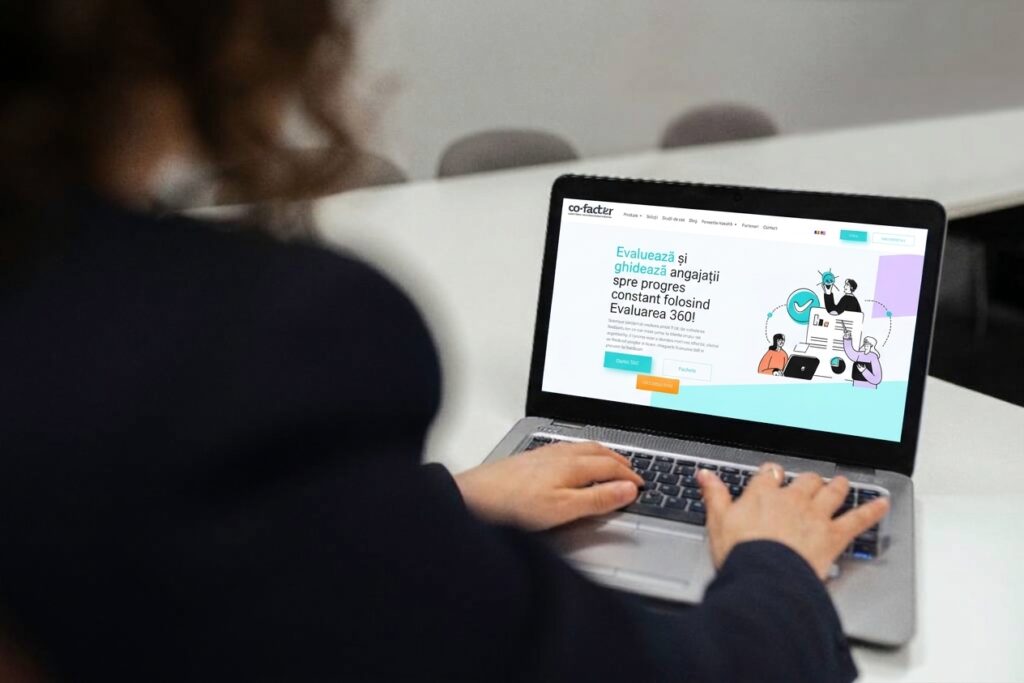
The Co-Factor platform was built exactly for this reality. You can configure a simple, fast process suited to a small team, or a complex one — with 360° evaluations, cascaded objectives, and detailed analytics for a large organization. In both cases, feedback flows continuously, data is there when you need it, and December becomes a natural conclusion, not a sprint. HR gains time and clarity. Managers have the tools to be fair and specific. Employees understand where they stand and where they can go.
December is, at the end of the day, the best moment to realise that evaluation doesn’t have to be hard. It just has to be well thought through.
Request a personalised DEMO